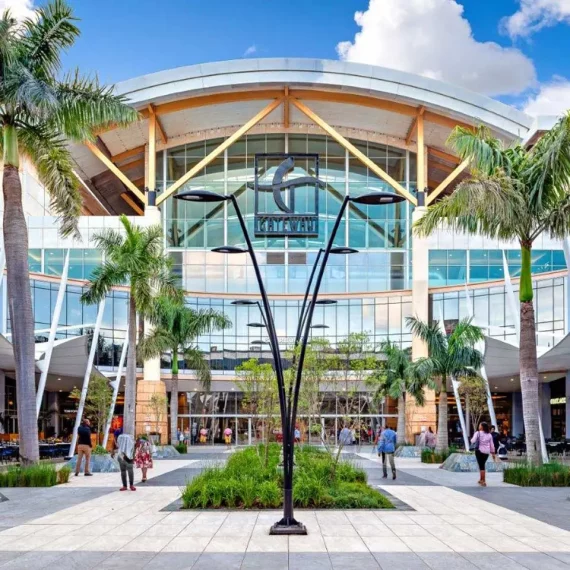
“Successful retail outlets are no longer passive spaces where merchandise is displayed in a convenient place for consumers to come and browse for what they want to purchase.
They have become interactive places of idea stimulation, entertainment and excitement. Making the stores come alive and reflecting and actively demonstrating the brand promise.” David Roth, The Theatre of Retail.
The Theatre of Retail was a maverick vision for shops and brands that first made its mark in the USA at the turn of the new millennium. Today the concept of interactive spaces lives on and is even more prominent with emerging brands, in new stores and mega shopping malls, across the globe.
South Africa is no exception.
Think Apple stores… with its generous display of active Net connected iMacs, iPads, iPods and iPhones… where potential brand supporters ‘test drive’ their Apple product of choice, before making their purchase decision.
Or the Cape Union Mart store that allows outdoor action seekers, hikers and mountain trailblazers to test a rain jacket in an enclosed rain-assimilated shower cubicle – with real, ice-cold running water!
Or the swim & surf shop at Gateway Centre in northern KwaZulu-Natal that provides surfers the opportunity to joyride a host of surfboards on a wave machine, before deciding which board is best for them to take home.
Or the bed shop that allows customers to catch Forty Winks in a custom designed soundproofed bedroom, testing a range of sleep slumbering mattresses before making their final purchase.
More and more brands are thinking out-the-box in their attempt to attract new business, generate return visits, and keep their customers. As an insightful brand marketer once said…
“It’s no longer good enough just to make a sale. In today’s highly competitive marketplace, brand marketers and shopkeepers have to learn how to attract new customers, gain their trust, and then retain their custom for life. Frequent shoppers and brand loyalty will be the key drivers to long-term retail success.”
Over the past twenty years or so, retail growth has come in the main from a combination of two factors – increasing margins and increasing efficiencies. In today’s business environment, being efficient (lowest cost price possible) is not optional but simply the price of entry to compete. And the understandable drive for efficiency is, however, not an end in itself. Food price inflation is here to stay.
Efficiency drives make it easy for us to lose sight of what is the overriding retail challenge… to deliver the consumer real value, in a way that is both measurable and sustainable!
SPOTLIGHT ON FREQUENT SHOPPERS AND REWARDS
In the USA alone, it is estimated that over 60 million Americans hold loyalty cards and belong to one or more frequent shopper programs. CRM (Customer Relationship Management) revolutionized the way marketers relate to their customers through traditional frequency/loyalty strategies.
American Express were the early pioneers in loyalty, along with the American Airlines’ frequent-flyer miles program. You could earn frequent–flyer miles while you dine out, on your home loan and your travel & accommodation expenses.
Other finance houses, plus US manufacturers in the motor industry, were quick to follow suit. Still today, credit cards with consumer ‘rewards components’ remain the fastest growing segment of the credit card business. In the USA, retailers love loyalty – simply because it works.
The growth of frequency and loyalty marketing in South Africa was slow in the take-up. Initially, SAA introduced frequent-flyer Voyager miles for international flights only. On the domestic front, Protea Hotels launched their Prokard for frequent bed nights. Holiday Inns followed with their Many Happy Returns.
Then in the early 1990’s, Clicks showed us that frequent shopper cards can and do work. But it was several years later before we saw the introduction of the Rewards card for Woolworths brand supporters. Pick n Pay and finally Checkers followed suite.
In those early days Amex and Diners Club were the only entertainment rewards cards. They remained so for many years until FNB added their financial muscle to the loyalty market with their innovative eBucks rewards programme.
Today, loyalty programmes for modern day retailers are designed to
- Welcome shoppers to the mall
- Entice them to buy something
- Reward those that do
- Encourage them to return again, and again
Is this achievable? Certainly. Ever since the ol’ days of the local corner grocer, the principles of identifying, winning and rewarding your best customers remains a winning strategy for any… and every… retail business.